
New code becomes cheaper every day, but maintenance does not. Bugs are faster, subtler, and harder to catch, and dealing with them is increasingly difficult. This book will make it easier, showing you both useful (and underused) features of your browser’s developer console and also ways of writing your code that makes it easier to test (and less likely to need debugging in the first place).
Debug with ease and focus on what truly matters most: building exceptional web applications.
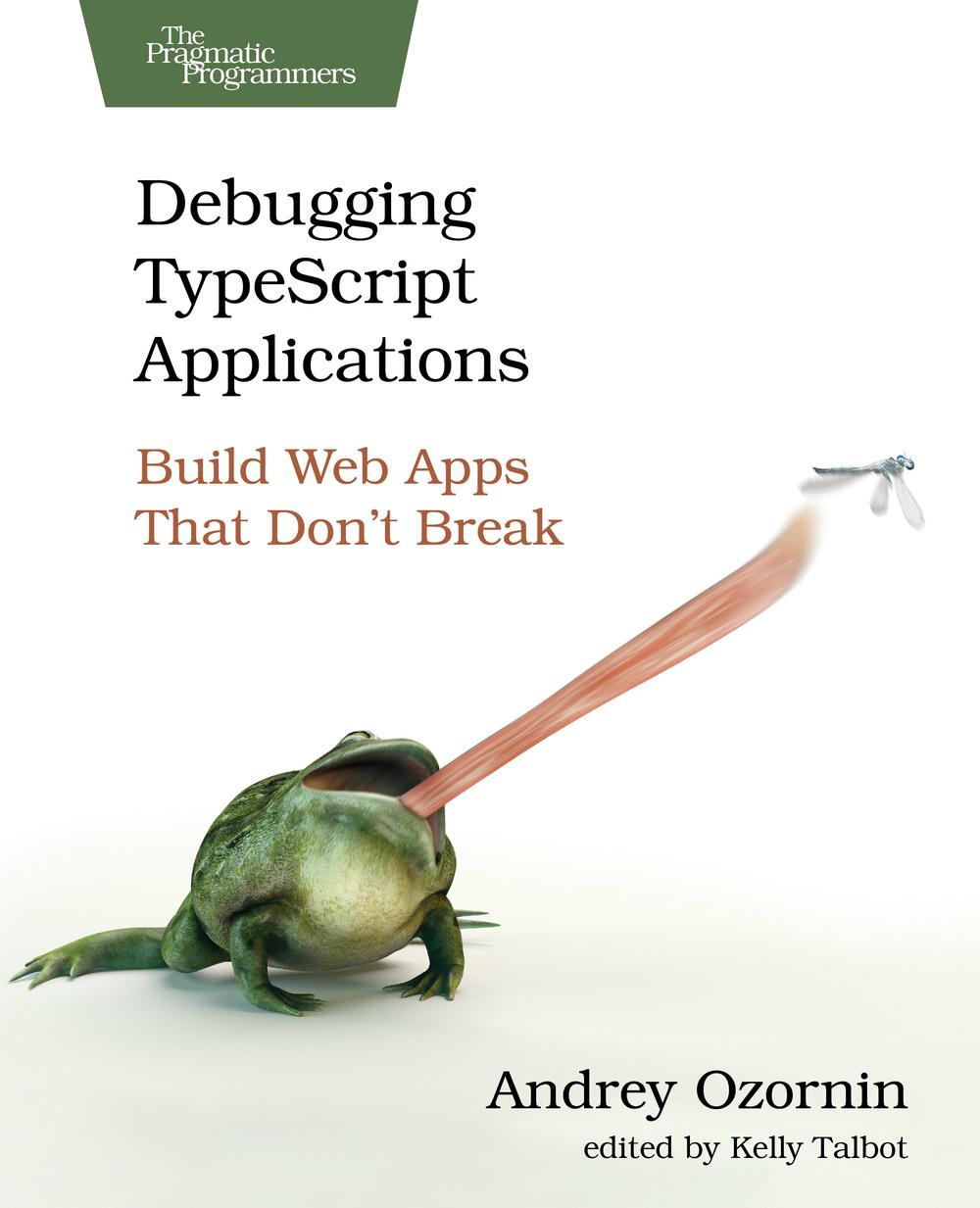
Andrey Ozornin, edited by Kelly Talbot
Writing code has never been a problem; getting that code to work is. This book makes it easier, showing you both powerful debugging techniques and also ways to structure to code to make debugging simpler. In just one week you’ll master debugging skills that will save you hours every day.
Read stack traces as if they were a story, wrap risky code in bulletproof guardrails, and triage issues so that critical ones always get fixed first. Master root-cause analysis, design gracefully failing systems, trace data through tangled chains of callbacks and promises, and make resolving future problems easier for everyone with smart error monitoring. Surprise yourself by the power of familiar Chrome developer tools that have always been readily available to you.
Starting from a foundation of process methodologies and software design principles, you’ll continue on through practical techniques like logging and interactive debugging before arriving at monitoring and debuggability. In the end, you’ll have the knowledge you were missing and the skills you need to help you raise the quality bar and focus on what truly matters most: building exceptional web applications.
Happy debugging!
What You Need
A computer with a Chromium-based browser such as Chrome, Vivaldi, or Brave, and an IDE such as WebStorm or VSCode. Along the way, you’ll be installing command-line tools, so be sure you have permission to do so.
- Full details: Debugging TypeScript Applications: Build Web Apps That Don't Break by Andrey Ozornin
- View this book’s portal and details on how to post errata and suggestions here.
Don’t forget you can get 35% off with your Devtalk discount! Just use the coupon code “devtalk.com" at checkout 