
Been using a two-stage workflow for AI video production that’s been consistently more reliable than text-to-video:
-
Generate a 3×3 storyboard grid with GPT Image 2 (each panel = one shot)
-
Use that grid as the starting frame for Seedance 2.0 with a shot-by-shot motion prompt
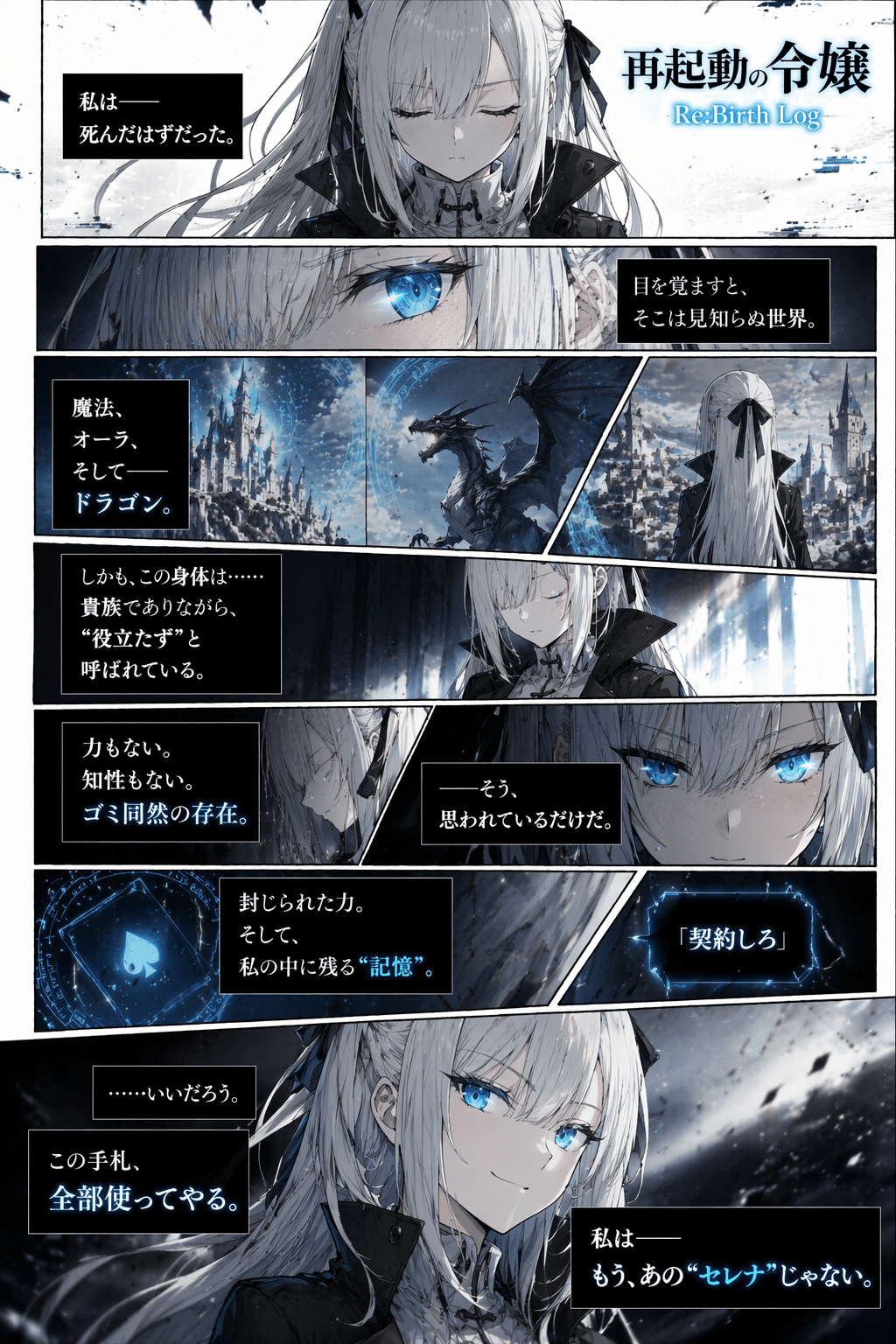
Storyboard grid example
The main advantages over direct text-to-video:
-
Pacing is controlled before you touch the video model
-
Character consistency is much stronger (all shots generated in one unified image)
-
Seedance 2.0 interprets the storyboard as a multi-shot sequence rather than a single drifting clip
For anime-style content, the same principle applies with character sheets and comic pages as the input.
The key insight: final video quality depends heavily on input image quality. GPT Image 2 is very good at producing structured visual assets that work well as video inputs.
Prompt library for storyboard grids, character sheets, and more:
Has anyone tried variations on this? Curious whether 4×4 grids work better for longer pieces, and how you’re handling the motion prompt structure for complex sequences.